Simple Steps to Keep Your Bike Safe Through Every Season
A seasonal motorcycle maintenance checklist helps you catch small problems before they turn into bigger repairs. It also helps your bike start easier, run smoother, and stay safer on the road. If you ride in Banning, CA, changing weather, heat, cold, rain, and dust can all affect your bike over time. A few simple checks each season can make a big difference.
Why Prevention Matters
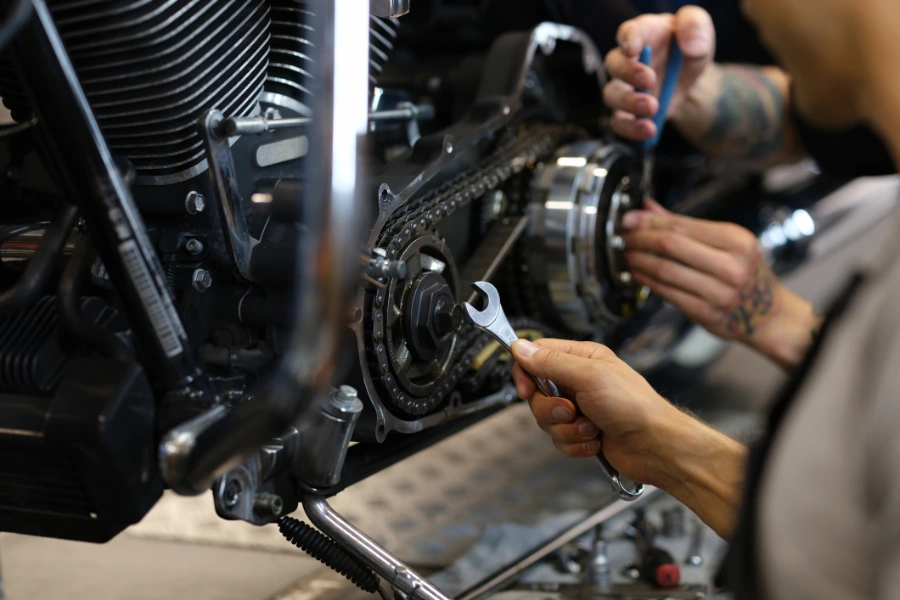
Good motorcycle maintenance is not just about fixing things after they break. It is about stopping trouble early. Tires wear down. Battery power drops. Fluids get old. Chains dry out. Brake parts wear with use. When you check these items often, you lower the chance of being stuck on the side of the road or dealing with unsafe riding conditions.
Seasonal care also helps your bike match the weather. Cold mornings can affect tire pressure and battery strength. Hot days can be hard on fluids and tires. Rain can lead to rust, poor traction, and dirty brake parts. Preventive care keeps your motorcycle ready for these changes.
Early Warning Signs
Your bike will often show signs before a bigger problem starts. Paying attention can save time and stress. Some signs are easy to miss if you only ride and never inspect the bike.
- Low tire pressure or uneven tire wear
- Slow starting or weak battery response
- Brake squeaking, soft feel, or longer stopping distance
- Chain noise, slack, or dry links
- Fluid spots under the bike
- Dim lights or electrical issues
- Rough idle or poor throttle response
If you notice one or more of these signs, it is smart to check them right away. Waiting too long can lead to more wear and higher repair costs later.
Seasonal or Routine Checklist
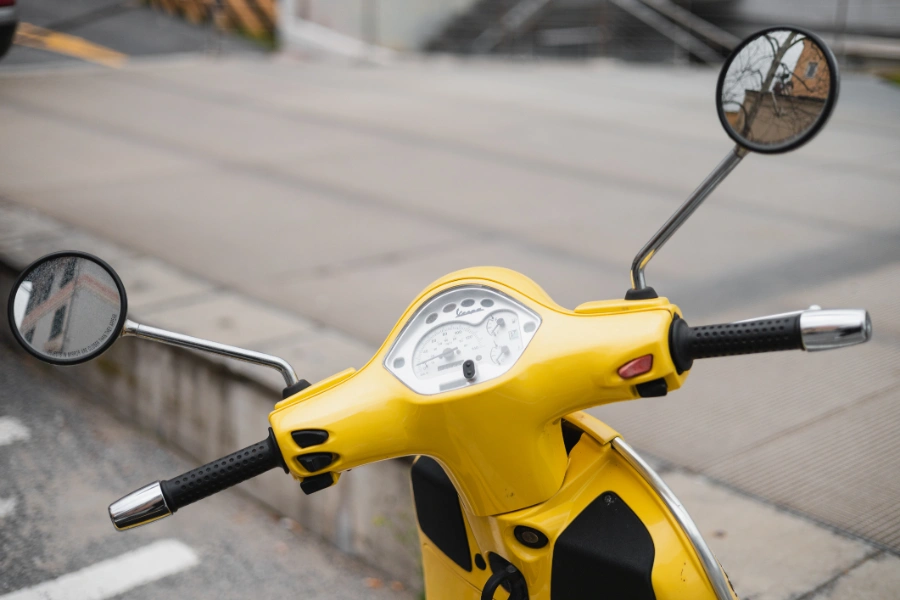
A solid seasonal motorcycle maintenance checklist should cover the parts that change most with weather and regular riding. You do not need to make it hard. A simple routine each season works well for most riders.
- Check tire pressure and tread depth. Adjust pressure to the bike maker’s specs. Look for cracks, nails, or flat spots.
- Test the battery. Make sure terminals are clean and tight. If the bike sat for weeks, charge the battery before a long ride.
- Inspect engine oil and other fluids. Check oil level and condition. Look at brake fluid and coolant if your bike uses it.
- Look at the chain or belt. Clean and lube the chain if needed. Check slack and watch for worn sprockets.
- Test the brakes. Check pad wear and listen for grinding or squeaking. Make sure the levers feel firm.
- Check lights and signals. Test the headlight, brake light, turn signals, and horn.
- Inspect cables and controls. Make sure the throttle moves smoothly and the clutch feels normal.
- Clean the bike well. Dirt can hide leaks, cracks, and rust. Washing also helps protect painted and metal parts.
- Check suspension and forks. Look for leaks, strange bounce, or rough movement.
- Review storage items. If a season change means long storage, use a fuel stabilizer and cover the bike properly.
This routine fits most bikes and most riding habits. If your owner’s manual gives different service times, follow that guide first. The service category keyword can also include routine care, inspections, and seasonal tune-up work depending on your bike and how often you ride.
Best Practices for Long-Term Results
Small habits can help your bike last longer. Try to inspect your motorcycle before long rides and after rough weather. Keep a simple notebook or phone note with dates for oil changes, tire checks, and battery service. That makes it easier to spot patterns and stay on schedule.
Store your bike in a dry place when possible. If it stays outside, use a quality cover that fits well. Keep the chain clean and lubricated. Wash off road grime, bug buildup, and moisture after wet rides. If the bike sits for a while, start it only if you can bring it up to normal temperature, or use proper storage steps instead.
Another good habit is to listen to the bike. A new sound, vibration, or smell often means something changed. Catching that change early can help prevent damage.
What Not to Do
Even well-meaning riders can make mistakes with motorcycle maintenance. Some quick fixes can create bigger issues if they are done the wrong way.
- Do not overfill engine oil or brake fluid
- Do not ignore old tires with good-looking tread but cracked rubber
- Do not spray chain lube on hot parts or brake surfaces
- Do not guess on tire pressure
- Do not skip battery care during storage
- Do not keep riding if brakes feel weak or unsafe
- Do not use the wrong fluid type for your bike
It is also a mistake to assume a low-mileage bike needs no service. Age, storage, and weather can wear out parts even when the bike is not ridden much.
When to Schedule Professional Help
Some tasks are simple for most riders. Others need tools, parts knowledge, or a trained eye. If you find brake problems, fork leaks, electrical issues, fuel system trouble, or major fluid leaks, it is best to schedule professional help. The same goes for valve checks, tire mounting, and repairs that affect safety.
A shop can also help if your bike has been sitting for a long time. Older fuel, dead batteries, dried seals, and clogged systems can all show up after storage. A seasonal inspection before a busy riding period is a smart way to catch hidden problems before they affect your ride.
Get Help When Your Bike Needs Extra Care
If you want help with seasonal motorcycle maintenance, we are here to make the process easier. Riders across Banning, CA can call us with questions about inspections, tune-ups, and repair needs. At Enduro Motorsport, we work hard to keep bikes safe, reliable, and ready for the road. Call us at (951) 629-7107 to schedule service or talk with our team.